Home / Gate Repair and Maintenance
Gate Repair and Maintenance
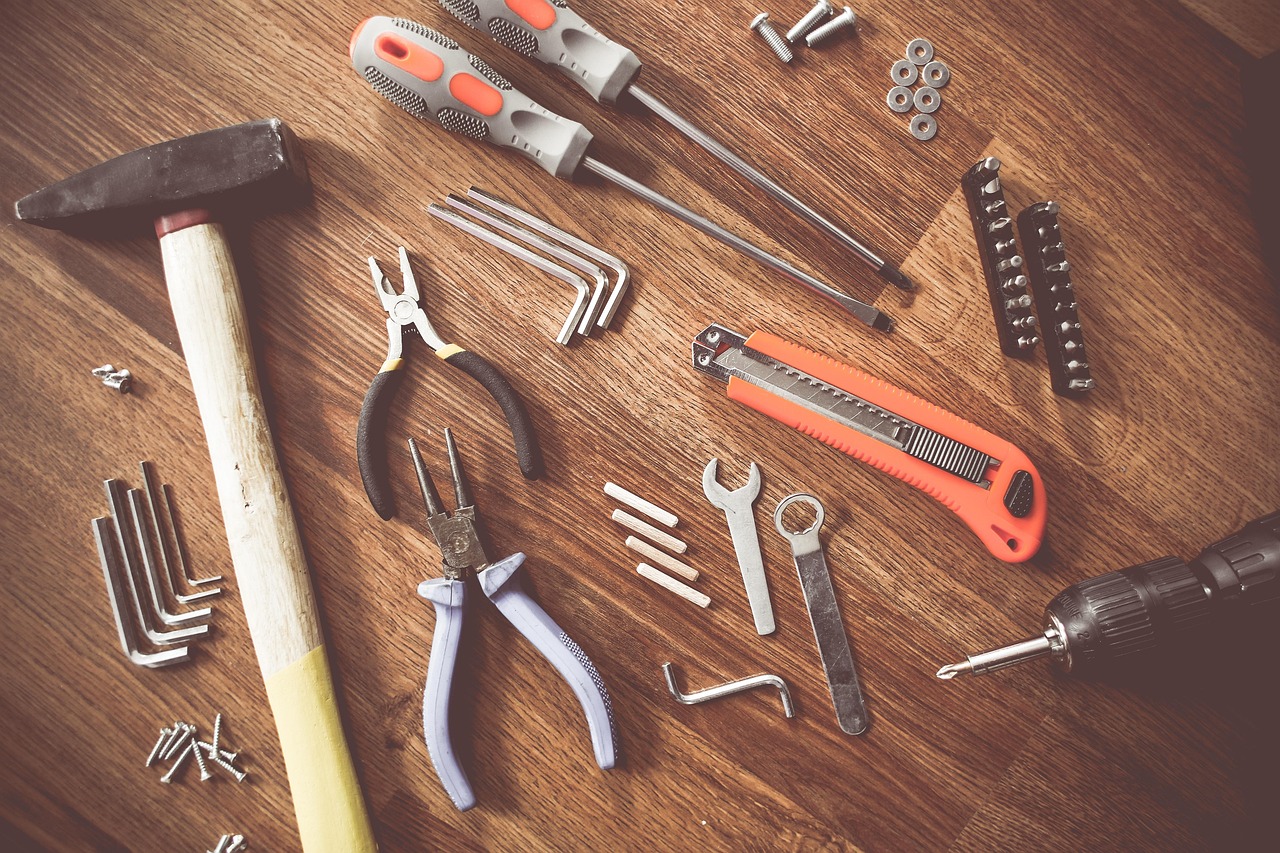
A metal gate is a machine that lives outdoors and cycles thousands of times a year, so it wears in predictable ways. Repair and maintenance is the work of catching that wear before a small fault becomes a stuck gate or a failed weld. This overview lays out where gates actually break down, from the moving hardware to the frame to the finish, and what routine care keeps them swinging or sliding for decades. It is a map of the problem areas rather than a step-by-step for any one of them, so you know what to watch and why each part matters.
The moving hardware: hinges, latches, and rollers
Most gate faults start at the points that move. A hinge is a mechanical bearing that connects two solid objects and allows rotation about a single fixed axis, giving the gate its one degree of freedom. That single axis carries the entire weight of a swing leaf every time it opens, so hinges wear, dry out, and eventually elongate their pins or bushings. A gate that drops at its latching edge, drags on the ground, or groans as it opens is usually telling you the hinges are worn or the leaf has racked out of square. On a sliding gate the equivalent wear points are the rollers and, if fitted, the ground track, which collects grit and standing water that grind the wheels and eventually seize them. The latch, the mechanical fastener that holds the gate shut against a keeper or strike, is the third wear point; a latch that no longer catches cleanly often signals that the leaf has sagged and no longer presents itself to the strike at the right height.
Frame and welds: the structural faults
Beneath the hardware sits the frame, and its failures are slower but more serious. A gate is assembled by welding, which joins the members by melting them together and letting them fuse as they cool. A weld that was never fully fused, or one fatigued by years of cycling and vibration, can crack; a cracked weld at a corner lets the leaf rack, which then throws off the hinge and latch alignment downstream. This is why an apparently minor complaint, a gate that suddenly will not latch, sometimes traces back to a hairline crack in a joint. Repairing structural faults usually means grinding out the failed joint and re-welding it, most often with gas metal arc welding, and then re-treating the bare metal, because any weld or grind strips the protective coating and exposes fresh steel. Alignment work, resquaring a racked leaf and resetting posts that have shifted in soft ground, belongs to this same structural category.
The finish and the slow enemy of corrosion
The longest, quietest maintenance battle is against corrosion, the natural process that converts refined metal back toward a stable oxide. For an iron or steel gate the visible symptom is rust, a reddish-brown iron oxide that forms wherever iron meets oxygen with water or moisture present. Rust does not stay cosmetic; as it grows it lifts the surrounding coating and eats into the section, so a rust spot is a coating failure that has already begun. Maintenance here is about protecting and restoring the barrier layers. A gate that was galvanized carries a sacrificial zinc coating that protects the steel beneath, and one that was powder coated carries a tough cured film over that; touching up chips before they spread keeps both defenses intact. Where rust has taken hold, the repair is to strip back to sound metal, treat the surface, and rebuild the coating, because painting over active rust simply hides the reaction rather than stopping it.
A subtler failure is galvanic corrosion, an electrochemical process in which one metal corrodes preferentially when it is in electrical contact with a different metal in the presence of an electrolyte such as rainwater. Mixing dissimilar metals at a gate, a steel leaf on aluminium fittings, or stainless fasteners driven into plain steel, can quietly accelerate corrosion at the junction. Isolating dissimilar metals or matching them deliberately is part of a durable repair, and it is the kind of fault that is far easier to design out than to chase down later.
Automated gates: the added maintenance layer
A powered gate carries everything above plus its drive system, and the mechanical health of the leaf and the health of the opener are linked. An electric motor converts electrical energy into mechanical torque, and many controllers infer an obstruction from how hard the motor is pushing. That means a gate stiff with worn hinges or a fouled track makes the motor work harder, which can trip the obstruction logic, wear the drive prematurely, or stall the gate partway. So the first check on an automated gate that misbehaves is often mechanical: free the hinges and rollers, square the leaf, and the electrical symptoms frequently clear on their own. Beyond that, the safety devices need their own attention. The photoelectric sensor that stops the gate when its infrared beam is broken must be kept clean and aligned, because a lens fogged by coastal grime or a beam knocked out of aim will either stop the gate for no reason or, worse, fail to stop it when it should.
Building a maintenance rhythm
None of these failure modes is sudden if you look for them. A sensible rhythm is simple and seasonal. Lubricate hinges, rollers, and the latch on a regular schedule so the moving parts stay free and the motor is never fighting friction. Walk the frame and welds looking for cracks, sag, or a leaf that has gone out of square, and address alignment early before it cascades into hardware wear. Inspect the finish for chips, scratches, and the first orange bloom of rust, and touch up the galvanized or powder-coated layer before corrosion gains a foothold. On a powered gate, test the safety beam and watch how smoothly the leaf travels, since a change in effort is an early warning. The specific how-to for any one of these tasks lives in the deeper guides reachable from pearland metal gates notes, but the principle behind all of them is the same: a gate rewards small, regular attention and punishes neglect, because every fault it develops feeds the next one.