Home / Common Gate Motor Problems
Common Gate Motor Problems
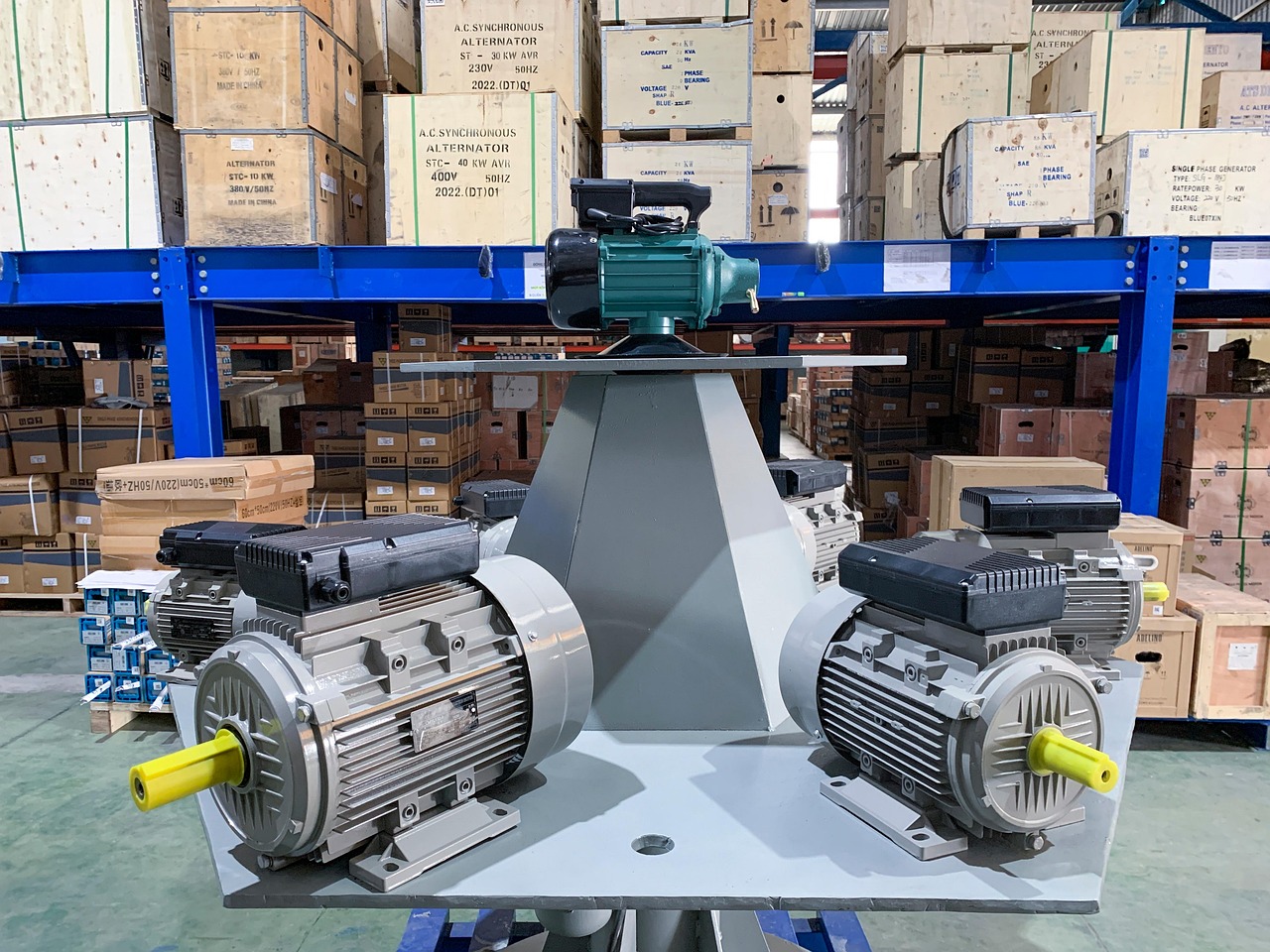
When an automatic gate stops moving, the operator, the motorized unit that swings or slides the gate, is the first suspect and often the wrong one. An electric motor is a machine that converts electrical energy into mechanical energy, turning current in a wire winding into torque on a shaft. That shaft, through a gearbox, is what actually drives the gate. Most gate failures that look like a dead motor are really failures of the things feeding the motor: power, sensors, control boards, and the moving hardware the motor has to push. Diagnosing them in the right order saves both money and a needless motor swap.
The gate is dead and silent
When nothing happens at all, no hum and no movement, the problem is almost always upstream of the motor. Automatic gate operators run on line power, and many keep a backup battery that carries the gate through short outages. In a Pearland thunderstorm season, tripped breakers and brief blackouts are common, and a backup battery that has quietly reached the end of its life will leave the gate lifeless the next time the grid blinks. Batteries live in an outdoor enclosure where heat and humidity shorten their service life, so a battery that lasted years in a dry garage may last far less on a fence line here.
Corrosion is the second silent killer. Corrosion is the gradual deterioration of metal by chemical reaction with its environment, and inside a control box it attacks the exposed terminals, the ground connections, and the fine solder joints on the logic board. A green or white crust on a terminal adds resistance that starves the motor of the current it needs to start. Because moisture drives the reaction, sealing the enclosure, replacing failed gaskets, and keeping drain holes clear does more for reliability than any single component upgrade. Sorting a truly dead operator from a merely starved one is a core part of Gate Repair and Maintenance, and it starts at the power source, not the motor.
The gate hums or strains but will not move
A motor that hums, buzzes, or tries and stops is receiving power but cannot complete the job. Two very different causes produce the same symptom. The first is electrical: a failing start capacitor. Many gate motors use a capacitor to deliver the surge of energy needed to break the gate from a standstill, and when it weakens the motor can hum but never build the torque to move. The second cause is mechanical, and it is the more common one on a heavy metal gate. If the hinges have seized, the slide track is packed with grit, or the gate has dropped out of alignment, the motor is being asked to push against a load it was never sized to overcome. It strains, draws heavy current, and often trips its own overload protection or thermal cutoff before anything moves.
This is why a straining motor should never simply be forced with a bigger unit. The motor is reporting a real problem in the hardware it drives. Forcing it accelerates wear on the gears and can crack a weld. The correct first step is to disconnect the operator, usually through its manual release, and move the gate by hand. A properly hung gate should glide with light effort. If it binds, drags, or fights back, the fault is in the hinges, rollers, or alignment, and no motor will fix that for long.
The gate opens but refuses to close
A gate that opens normally but will not close is one of the most misread faults, because the motor is obviously fine. The culprit is nearly always the safety system. Automated gates use a photoelectric sensor, a device that detects the presence of an object using an infrared light transmitter and a photoelectric receiver, mounted as a beam across the opening. By design, if that beam is broken or cannot be read, the control board refuses to close the gate so it cannot crush a car, a pet, or a child. The failure is the system doing its job with bad information.
The everyday causes are mundane. A spider web or mud dauber nest across the lens, extremely common on the Gulf Coast, scatters the beam. Bright afternoon sun striking the receiver can wash it out. The two sensor heads can drift out of alignment when a post shifts in rain softened soil, so they no longer see each other. And the lens itself fogs and corrodes in humid air. Cleaning both lenses, confirming the heads point straight at each other, and shading a sun blinded receiver resolves the majority of will not close complaints without any part being replaced.
The motor runs but the gate does not track its command
Sometimes the motor runs perfectly yet the gate does the wrong thing: it stops short, reverses for no reason, or opens at random. Here the motor is healthy and the fault lies in how it is being told what to do. Modern operators track position with limit switches or an encoder, and if those drift the board loses its sense of where fully open and fully closed are, so it stops early or reverses when it thinks it has hit an obstruction. Force settings that are too sensitive produce the same nuisance reversing, especially in wind.
Random operation usually traces to the access controls rather than the motor. A keypad, the block of buttons that accepts an entry code, can short and send phantom signals when water seeps behind its faceplate. A remote keyless system, the electronic remote that controls the gate without a mechanical key, can have a dying battery that transmits weak or garbled signals, or a neighbor's device on a shared frequency can trip it. Isolating these means testing each input in turn: unplug the keypad, try only one remote, and watch whether the ghost commands stop.
Motor faults on the acreage lots off O'Day Road often turn out to be supply faults, with a long buried run and a marginal circuit doing the damage rather than anything inside the housing. Separating a genuine motor repair from an electrical one, before parts are ordered, is the thread running through the fault guides on pearland metal gates notes.
Working the problem in the right order
The reliable sequence is to move outward from the load, not inward from the motor. Release the operator and move the gate by hand to rule the mechanical side in or out. Confirm power and battery health. Clean and align the photoelectric sensors. Test each control input separately. Inspect the enclosure for corrosion and water intrusion. Only when every one of those is clear is the motor, its capacitor, or its gearbox the honest remaining suspect. Replacing a motor before checking the hardware it drives usually just delivers a new motor to the same failing gate, and in a humid coastal climate that hidden load or hidden corrosion is far more often the real story than a burned out winding.