Home / Understanding the Lifespan of Custom Metal Picket Timing
Understanding the Lifespan of Custom Metal Picket Timing
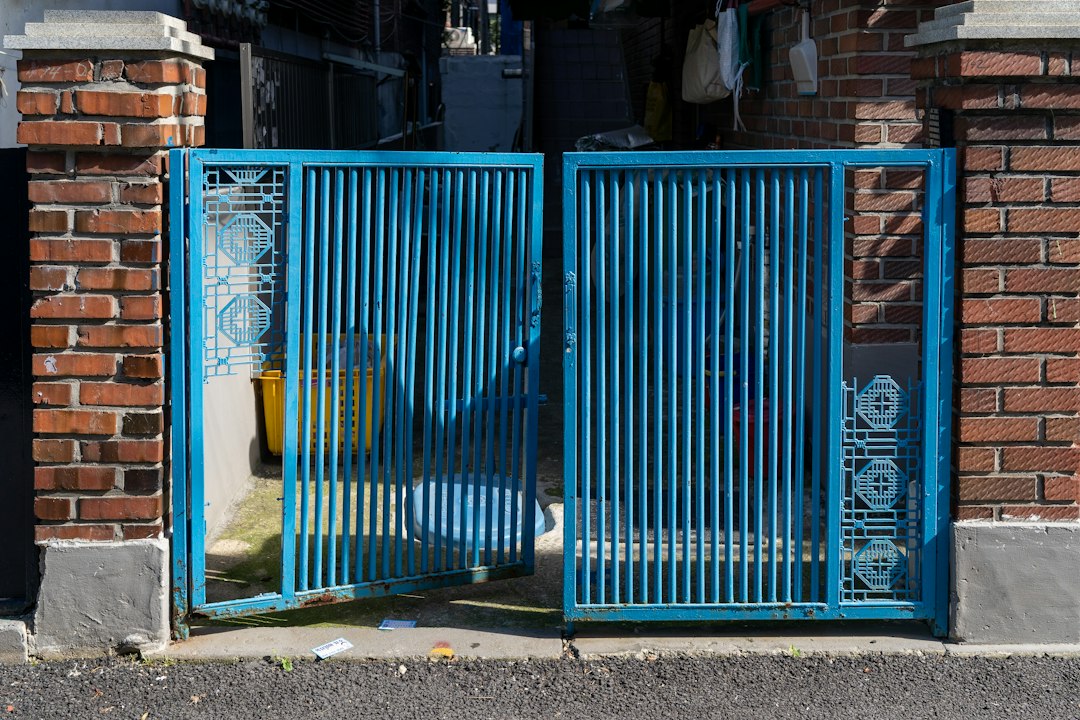
Rust blooming at the base of a gate picket, right where it meets the bottom rail, is usually the first sign that the clock on a custom metal gate has started running faster than its owner expected. Pickets are the vertical bars that give a gate its look and most of its security, and how long they last depends less on the calendar than on the material, the finish and the timing of the care they get.
There is no single lifespan to quote for a picket. A well-finished steel picket that is maintained on schedule can serve for decades, while the same picket neglected in a wet climate can be pitted through in a fraction of that time. Understanding what sets the pace helps owners plan inspections, refinishing and eventual replacement at the right moments rather than after a failure.
The access control connection
Gates that carry an operator, keypad or intercom age differently from simple swing gates. The operator moves the gate through many cycles a day, and vibration loosens hardware and stresses welds where pickets meet rails. Gate owners pairing new pickets with a new entry system will find a closer look at picket timing in the earlier article on keypads, intercoms and deliveries, since the gate frame and the access equipment work as one system and wear on the same schedule.
A heavy gate on an undersized operator also strains the pickets near the hinge side. If the picket welds on one end crack repeatedly, the operator and hinges should be checked alongside the gate itself.
What decides how long a picket lasts
The metal itself
- Solid steel bar is strong and heavy, and resists bending well. Its weakness is corrosion once the finish fails.
- Hollow steel tube is lighter and often used for ornamental designs. Rust inside the tube can go unseen until the wall is thin.
- Wrought iron, in the traditional sense, is rarely made today; most modern "iron" gates are mild steel. Older genuine wrought iron has a fibrous structure that resists corrosion somewhat better than mild steel.
- Aluminum does not rust the way steel does, though it can corrode at fasteners and joints with dissimilar metals. It is lighter and less rigid, so it suits shorter, lighter gates.
The finish
The coating is the real defense. Common finishes include:
- Hot dip galvanizing, a zinc coating applied by dipping the steel in molten zinc, which protects even where the surface is scratched.
- Powder coating, a baked on finish that is tough and even, though chips expose bare metal.
- Galvanizing plus powder coat, often called a duplex system, which combines both layers and generally gives the longest protection.
- Liquid paint over primer, the traditional approach, which needs the most frequent upkeep.
A picket's lifespan is largely the lifespan of its finish plus whatever time passes between a breach in that finish and a repair.
Where moisture collects
Pickets fail first where water sits. The usual trouble spots are the bottom ends of pickets where they pass into a lower rail, welds where the finish is thin, the tops of hollow pickets without caps, and any picket that touches soil, mulch or grass.
Timing the care: a practical schedule
Each season
Walk the gate and look closely at the base of each picket and every weld. Run a hand along the bottom rail to feel for roughness or flaking. Clear plants, mulch and soil away from the bottom of the gate so it can dry out after rain.
Once a year
Wash the gate with mild soap and water to remove grime and pollen that hold moisture against the finish. Check picket caps and finials, since a missing cap on a hollow picket lets water straight inside. Touch up small chips with a matching primer and topcoat before rust takes hold.
Every few years
Painted gates usually need a fuller refinish every few years, depending on sun and moisture exposure. That means cleaning, sanding back loose paint and any rust to sound metal, priming bare spots with a rust inhibiting primer, and recoating. Powder coated and galvanized gates last longer between major work, but chips should still be addressed as soon as they appear.
Local conditions that speed things up
Pearland sits in a warm, humid part of the Texas Gulf Coast, where summers bring long stretches of moisture in the air and heavy rain from tropical systems. That combination keeps steel damp for longer after storms and gives corrosion more time to work. Gates near sprinklers, drainage swales or retention ponds see even more moisture.
The heavy expansive clay common across Brazoria County adds a different stress. As the soil swells after rain and shrinks in drought, gate posts can lean, and a gate that hangs out of square puts bending loads on pickets and welds that were designed only to carry the gate's own weight. In newer master planned parts of Pearland such as Shadow Creek Ranch, fences and gates are often a uniform style, so a single failing gate stands out and replacement parts are worth matching closely to neighboring units.
Signs a picket is reaching the end
Some damage can be repaired; some means the picket should be replaced. Signs to watch for:
- Rust that flakes in layers rather than sitting as a light surface film.
- Pitting deep enough to catch a fingernail.
- Holes or soft spots in hollow tube pickets, especially near the bottom.
- Cracked welds at the rails that reappear after repair.
- Pickets that flex noticeably when pushed, which can mean thinning metal.
Surface rust caught early can usually be wire brushed, treated with a rust converter and recoated. Pickets with holes or deep pitting are better cut out and replaced, with new sections welded in and finished to match.
Replacing pickets without replacing the gate
A full gate replacement is not always necessary. A fabricator can often:
- Cut out damaged pickets and weld in new ones of matching profile and spacing.
- Replace a rotted bottom rail and reattach the pickets.
- Add caps to open topped hollow pickets.
- Strip and refinish the whole gate once repairs are complete.
Matching the original design matters for appearance, and it also keeps the spacing between pickets consistent, which can matter for pool barriers and child safety requirements set by local rules.
Planning for the long term
A sensible approach to picket lifespan comes down to a few habits:
- Choose a durable finish at the start, ideally galvanized steel with a powder coat on top.
- Keep the base of the gate clear and dry.
- Inspect regularly and fix chips before rust starts.
- Address leaning posts quickly so the gate stays square.
- Plan a fuller refinish before the old finish fails completely.
The rest of the archive at pearland metal gates notes covers hinges, operators, posts and finishes in more detail, which helps when picket wear turns out to be one part of a wider repair. With steady attention, custom metal pickets can outlast many of the other components on the gate, and the timing of that attention is what makes the difference.