Home / What Metal Gate Repair Typically Costs Around Pearland
What Metal Gate Repair Typically Costs Around Pearland
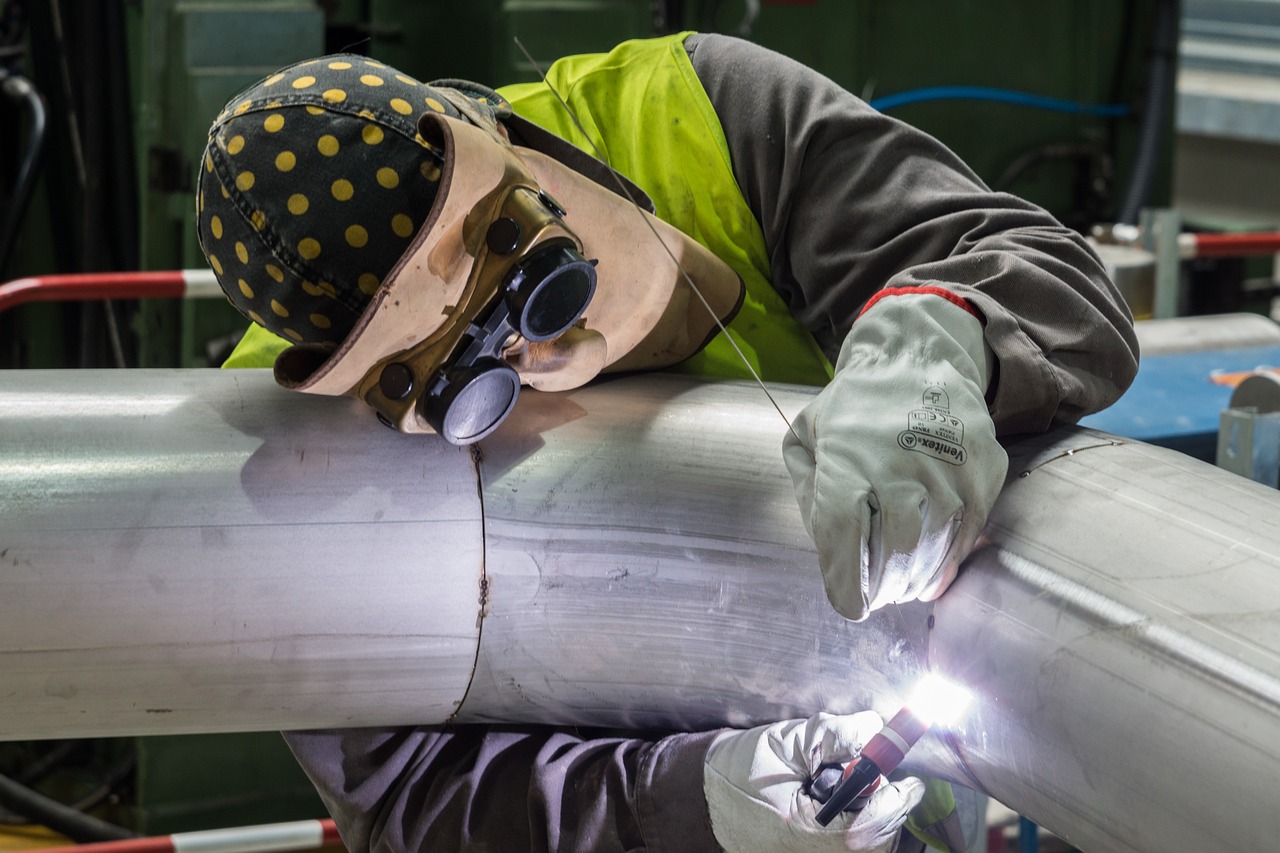
Ask what a metal gate repair costs around Pearland and the honest answer is that the number depends far more on what is wrong than on the gate itself. Two gates that look identical from the street can carry very different repair bills, because one needs a cosmetic touch-up and the other needs a structural weld and a new operator. Rather than quote figures that would not survive contact with your actual gate, it is more useful to understand the cost drivers, because once you know which category your problem falls into, the range becomes predictable and you can tell a fair estimate from an inflated one.
Material sets the baseline
The metal your gate is made from shapes almost every repair decision that follows. Wrought iron is an iron alloy with a very low carbon content, historically worked by heating and hammering rather than casting, and it is prized for ornamental gates because it can be shaped into scrollwork. Its low carbon content also makes it relatively soft and forgiving to repair, though genuine wrought iron is uncommon in newer gates. Most gates sold as iron today are actually steel, an alloy of iron and carbon with better yield and fracture strength at low material cost. Steel repairs are straightforward and inexpensive to source, which keeps their cost down.
Cast iron is a different story. Cast iron is an iron-carbon alloy with a carbon content above two percent, and white cast iron in particular is very hard but brittle, allowing cracks to pass straight through rather than deflecting them. A cracked cast iron component often cannot be simply welded back together the way steel can, so the repair may mean fabricating or replacing the part, which costs more. At the other end, aluminium has a density about one-third that of steel and forms a protective oxide layer that resists corrosion, so aluminium gates rarely rust, but the light sections dent and bend more easily and specialized welding raises the labor rate. Stainless steel, an iron alloy carrying at least ten and a half percent chromium that forms a self-healing passive film, resists corrosion best of all but carries the highest material and fabrication cost when a section must be replaced.
Structural repairs: welding and fabrication
The costliest category is structural, meaning the frame itself has cracked, bent, or torn at a joint. This is repaired with welding, a fabrication process that joins metals by using high temperatures to melt the parts together and let them cool into a fused joint. The common method for gate steel is gas metal arc welding, where an electric arc forms between a consumable wire electrode and the workpiece and a shielding gas protects the weld from atmospheric contamination. A single clean weld on an accessible steel joint is a modest job. A gate that has been hit by a vehicle, twisted by a fallen limb during a storm, or torn loose at several points becomes a fabrication project, and fabrication, the creation of metal structures by cutting, bending, and assembling, is billed by time and complexity rather than by the part. Ornamental gates with forged scrollwork raise the price further, because forging shapes metal with localized compressive force and matching an existing decorative pattern takes skilled handwork rather than an off-the-shelf piece.
Hinges, latches, and alignment
Between cosmetic and structural sits a broad middle band of mechanical repairs, and these are where most Pearland gate bills actually land. A worn or rusted hinge, a mechanical bearing that carries the panel weight through its pivot, is a common replacement. A latch that no longer seats against its strike, a sagging panel that drags, or a post that has shifted because the clay soil swelled and settled under it are all realignment jobs. For a fair estimate on , the single biggest variable in this middle band is whether the post itself has moved, because resetting a leaning post in Pearland clay is a different scope from simply swapping a hinge pin. Labor dominates these repairs, so access, gate weight, and how many points need adjusting matter more than any single part.
Finish and corrosion work
On the Gulf Coast, a large share of repairs are really corrosion repairs. Corrosion is the gradual conversion of refined metal back into a more stable oxide, and on iron and steel it appears as rust. Pearland humidity keeps moisture on the metal for long stretches, and the salt that drifts inland from the coast speeds the reaction, which is why the same gate rusts faster here than it would in a dry climate. Corrosion work runs a wide range. Surface rust caught early may need only sanding and recoating. Rust that has eaten through a rail means cutting out and replacing metal before any finish goes on, which pushes the job toward the structural tier.
The finish you rebuild to also affects the cost. Powder coating is applied as a dry powder, charged electrostatically and then cured under heat into a thick, tough film that is more durable than conventional liquid paint, and refinishing a full gate this way requires stripping, blasting, and oven curing, so it costs more up front than a brush repaint but lasts far longer in the humid air. Galvanization, applying a protective zinc coating usually by hot-dip immersion in molten zinc, is often done underneath as sacrificial protection, and re-galvanizing a whole gate is a specialty service priced accordingly. On aluminium, anodizing thickens the natural oxide layer through an electrolytic passivation process, which is again a shop treatment rather than a field repair. The general rule is simple: field touch-ups are cheap, shop refinishing is not, and the value of shop refinishing is that it postpones the next repair.
Automation and electronics
If the gate is automated, a second cost universe opens up. The electric motor that converts electrical energy into the mechanical force to move the panel is the single most expensive component to replace, and a failed operator can approach the cost of the metalwork itself. Below that sit the control board, the limit and encoder assemblies, and the accessories: the keypad for code entry, the photoelectric sensor beams that guard the closing path, and the remote or receiver. Storm-related electrical damage is common in the region, because a power surge during a thunderstorm can take out a control board while leaving the gate itself untouched. These parts vary widely in price, so an automation repair estimate should always itemize which component failed rather than quote a lump sum.
Repair bills in Silvercreek cluster around the same few items year after year, with hinge and roller work at the low end and reframing or recoating at the top. Seeing where a given quote sits on that range before agreeing to it is why the cost and fabrication notes on pearland metal gates notes are kept beside each other.
How to read an estimate
Because the range is so wide, the useful skill is sorting your own problem into a tier before the estimate arrives.
- Cosmetic: surface rust, a scratch, a loose finial. Lowest cost, mostly a finish and small-parts job.
- Mechanical: hinge, latch, alignment, sag, a shifted post. Moderate cost, driven by labor and gate weight.
- Structural: cracked frame, torn joint, impact damage. Higher cost, driven by welding and fabrication time.
- Electronic: a failed motor, board, sensor, or keypad. Ranges from a cheap accessory swap to a major operator replacement.
A trustworthy estimate names the tier, itemizes parts against labor, and accounts for the Gulf Coast reality that a repair which ignores corrosion or a moving clay-soil post will simply come back. The cheapest quote is not always the real one, because a weld that skips rust remediation or a hinge swap that ignores a leaning post is a repair you will pay for twice.